Summary of the Article
- A food waste separator is a mechanical device that separates organic food waste from non-organic waste such as packaging and plastics, and prevents it from ending up in landfills.
- Large-scale systems like the Twister Depackager and Separator have the capacity to process large tonnages of waste per day, even with up to 30% contamination in the feed.
- The organic waste that has been separated can be used in anaerobic digestion, composting, animal feed, or fertilizer, creating a truly circular resource loop.
- Food waste separators can reduce the amount of waste going to landfill by up to about 80%, significantly reducing greenhouse gas emissions and transport costs.
- Continue reading to learn more about the inner workings of a food waste separator and why it is one of the most effective tools in sustainable waste management today.
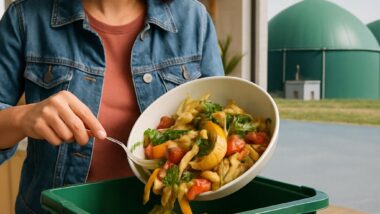
Most of the food waste that you throw away doesn’t just disappear – it usually ends up in a landfill.
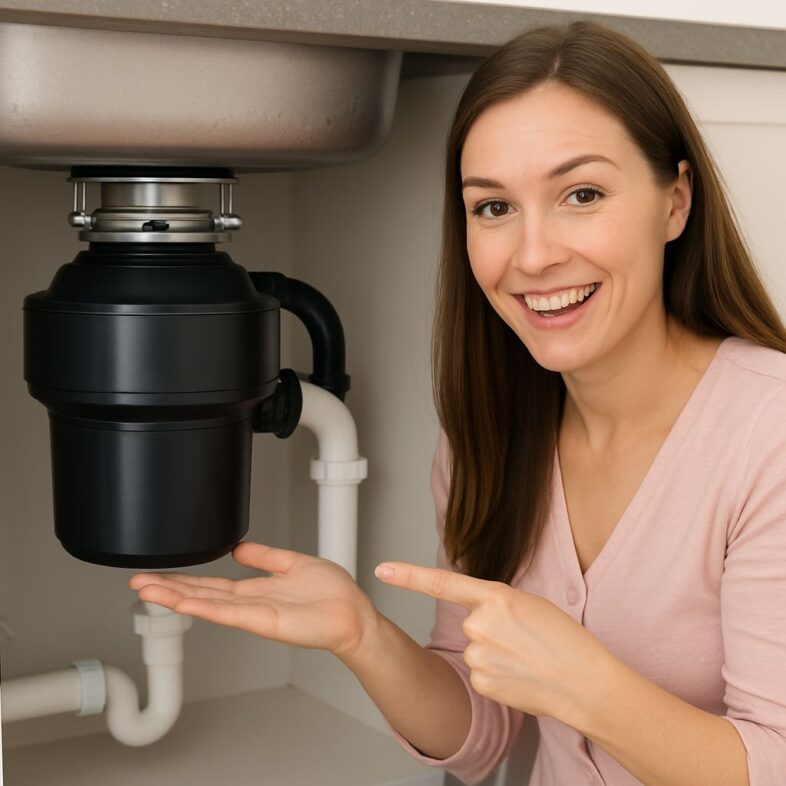
Fortunately, technology has risen to the challenge. Food waste separators are mechanical systems designed to capture organic waste before it ever reaches a landfill, extracting clean, usable organic material from mixed waste streams with remarkable efficiency. For those interested in sustainability, understanding how these systems work is the first step in realising their transformative potential. Replace Your Garbage Disposal is a great resource that explains practical waste management solutions like this for the average reader and industry professionals.
Food Waste Separators Can Reduce Landfill Waste by As Much As 80%
That’s not just a sales pitch – it’s based on actual performance data from systems that are currently in use in commercial and industrial environments. When organic waste is correctly separated and redirected, it stops producing methane in landfills and begins to create value in other places. This is why food waste separation is one of the most effective strategies in the entire sustainability toolkit.
Defining a Food Waste Separator
Food waste separators are machines that work to separate organic food waste from inorganic waste. This includes items such as plastic packaging, metals, and other pollutants. The purpose of this is to isolate a clean organic section that can be used in a productive way. This could be for energy production, composting, or animal feed.
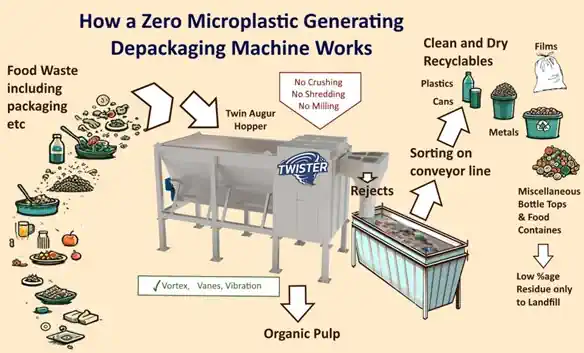
These systems vary from small units that are perfect for commercial kitchens to large industrial-scale depackaging machines. For instance, the Twister Depackager and Separator comes in various sizes and can manage a wide range of waste streams without needing any extra setup or adjustments.
Understanding the Separation Procedure
The primary process is simple but very efficient. The waste is placed into a hopper, which then moves it into a sealed processing chamber. Here, the waste is either tumbled or pushed against screens and holes, which physically separates the soft organic material from hard or flexible packaging materials. The organic part goes through the screen, while the packaging and hard contaminants are kept and moved to a different output.
The Twister Depackager and Separator operates by spinning waste inside a container against screens, which separates the food packaging materials from the organic contents inside. The organic output result comes out as a cake, slurry, or dry mass depending on the moisture content of the input material — all of it contains more than 99% clean organics ready for further processing.
What’s Separated: Organic and Non-Organic
Knowing what’s separated during this process can help explain why it’s so important. On one hand, there’s the organic fraction — food waste, liquids, and biodegradable material. On the other hand, there’s everything that shouldn’t be in a digester or compost pile.
- Organic materials: Suitable for digestion, composting, or feed, these include food solids, slurries, and liquids
- Non-organic materials: These are plastic packaging, metal tins, foil, cardboard, and rigid containers
- Contaminants: Twister Depackager and Separator systems can process inputs with high contamination by weight
- Packaging: The system can process cans, bags, cartons, trays, and virtually any standard food retail packaging format
Wet vs Dry System Configurations
Food waste does not always have the same moisture content, so separator systems are designed accordingly. Wet systems typically use water to help move organic material through screens and to control dust and fine particulates. Dry systems, on the other hand, rely purely on mechanical action and are better suited for drier waste streams like baked goods, cereals, or snack packaging returns.
The SlurryKat Bio-Separator has been designed to use as little fresh water as possible, which helps to control the volume of waste. This is important because it means that less liquid effluent is produced, which reduces the costs of handling it and the impact on the environment. For more insights on waste management, check out these 10 ways to reduce waste at home.
Where Food Waste Separators Are Commonly Found
Food waste separators aren’t exclusive to one specific location. You can find them in a variety of places, each with its own unique waste profile and volume challenges.
For Restaurants and Commercial Kitchens
Commercial kitchens and high-volume food service operations produce consistent, predictable organic waste streams that are perfect for separation systems. These kitchens generate large amounts of food scraps, prep waste, and plate returns daily, all of which can be processed and kept out of general waste bins. Smaller separator units designed for this environment help operators reduce waste disposal costs while meeting increasingly strict municipal composting and organics diversion requirements.
Grocery Stores and Food Producers
One of the most intriguing applications is the recycling of expired packaged food products returned from grocery stores and food producers. These items come in their original packaging — cans, bags, trays, boxes — and would otherwise be sent directly to a landfill. A depackaging separator cleanly separates the organic content from the packaging, allowing both parts to be recycled or processed. This is the exact type of application the Twister Depackager and Separator was designed for, as it can handle inputs with up to 30% contamination without needing to be reconfigured.
Large Institutions Such as Schools and Hotels
Large institutions like schools, hotels, and event catering companies face similar challenges as restaurants but often on a larger scale and with less specialised waste infrastructure. These institutions generate a significant amount of organic waste that can be redirected productively using separation technology. Even a mid-sized separator can significantly reduce the number of skip collections and associated tipping fees in these environments.
Local Waste Facilities
Food waste separators are commonly used in local waste facilities to process mixed waste collected from homes and businesses. These facilities often deal with highly contaminated and variable waste streams, which is where robust industrial separators really show their value. When these facilities are equipped with the right technology, they can reduce landfill deposits by up to about 80%, turning what would have been disposal costs into recoverable organic resources.
What is Done with the Separated Food Waste?
Separation is just the beginning. The truly exciting part about food waste separators, when looking at it from a sustainability standpoint, is what happens after the organic fraction has been removed. Clean organics are a valuable resource, not just waste — and there are several high-value uses for them.
Food Waste and Energy Production
One of the most effective ways to use separated food waste is through a process called anaerobic digestion. This process involves the breaking down of organic material by microorganisms in an environment without oxygen. The result is the production of biogas, primarily methane, which can be captured and used to generate electricity or heat. A separator like the Twister Depackager and Separator produces a clean organic slurry or cake that can be fed directly into digesters without any additional processing. This makes it a perfect match for large-scale waste-to-energy facilities.
Composting and Fertilizer Replacement
Separated food organics can be composted, where they break down aerobically into a nutrient-rich soil amendment. This compost can replace synthetic fertilizers in agriculture, closing the loop between food production and food waste in a way that directly benefits soil health.
SlurryKat Bio-Separator specifically mentions composting as one of the main end uses for its separated organic material. When you put clean organics into a composting system instead of contaminated mixed waste, the compost that comes out is higher quality, more consistent, and has more commercial potential. This makes separation a necessary step for making top-quality compost.
Food for Animals and Bedding
Some types of food waste that are separated, especially those from bakeries, candy factories, and produce suppliers, meet the quality standards needed to be used as animal feed. This is one of the best ways to recover and use food waste because it keeps the nutrients in the food system instead of losing them when they are turned into energy or used in the soil. Learn more about how to reduce food waste globally.
Another use for organic fractions, especially the drier ones, is animal bedding. While this isn’t as common as using the material for feed or compost, it’s still a valuable way to use separated organic material. This method can replace new resources and can also provide a financial return for waste processors.
Why Food Waste Separators Are So Beneficial
When considering waste management solutions, it’s important to look at how well they perform. Food waste separators are beneficial in several ways at once — they’re good for the environment, they improve operations, and they save money, which is why they’re such a great choice for facilities of all sizes.
While the financial benefits often convince decision-makers to act, it’s the environmental results that keep sustainability advocates campaigning for broader implementation. The two objectives are more closely aligned here than in nearly any other waste technology.
Eliminates Almost All Non-Organic Materials From Food Waste
It’s quite impressive to know that both the Twister Depackager and Separator can remove more than 99% of non-organic materials from processed food waste. This high level of cleanliness means the organic output can go directly into anaerobic digesters, composting systems, or animal feed supply chains without needing any more sorting or treatment.
What sets industrial-grade separation equipment apart from simpler sorting systems is its ability to achieve this in a single pass — across a wide variety of input waste types and contamination levels. It’s the difference between a usable organic product and a contaminated residual that still ends up in landfill.
Lessens the Release of Greenhouse Gases From Landfills
Organic waste decomposes in landfills without oxygen, a process known as anaerobic decomposition. This process produces methane, a greenhouse gas that’s about 28 times more potent than carbon dioxide over a century. Food waste separators disrupt this cycle by diverting organic waste before it ever gets to a landfill. This results in a significant, quantifiable decrease in the methane that would otherwise be produced from decomposing food.
When you consider the scale of this impact, it quickly becomes evident how significant it is. Systems that process between 50 and 200 tonnes of organic waste each day are diverting massive amounts of material that would otherwise produce landfill gas for years on end. Every tonne of food waste that is successfully diverted through a separator and redirected to anaerobic digestion or composting represents a permanent reduction in long-term greenhouse gas emissions. It’s not just a delay; it’s a permanent solution.
Saves on Transportation and Tipping Costs by Reducing Volume
Although it’s not often talked about, one of the most useful benefits of separating food waste is the decrease in waste volume that comes from the process. When organic material is removed from mixed waste, the remaining waste is much lighter and drier than the original material. This leads to fewer skip collections, less fuel used for transportation, and lower tipping fees at landfills or transfer stations. All of this results in cost savings for both waste producers and processors.
The Twister Depackager and Separator stands out because of its capacity to reduce volume for transport and tipping fees. For large supermarkets, food manufacturers, and catering operations that handle a lot of packaged food returns, the savings can be significant enough to justify the cost of the separation equipment. And that’s even before you consider the environmental benefits.
Why Separating Food Waste is Crucial for Our Planet
Because the issue of worldwide food waste is so large, it’s one of the most pressing areas for sustainability efforts. Food that is cultivated, processed, packaged, transported, and then discarded without using its nutritional or energy potential represents a growing waste of resources at each point in that process. Separation technology tackles the problem at its most recoverable stage – when waste is collected – before its value is irretrievably lost.
What makes food waste separators so effective is that they don’t just minimise damage – they actively produce value. Clean organic outputs are used in energy systems, soil health programs, and food supply chains, turning a waste problem into a resource stream. This shift from linear to circular is exactly what sustainable systems should look like on an industrial scale.
- Diverts organic material from landfill, directly reducing methane generation
- Enables anaerobic digestion, producing renewable biogas energy from waste
- Supports high-quality compost production that can replace synthetic fertilizers
- Recovers food-grade organic fractions for use in animal feed supply chains
- Reduces transport emissions and tipping costs through volume reduction
- Can cut landfill deposits by up to approximately 80% at refuse and amenity sites
- Processes contaminated mixed waste streams without requiring pre-sorting
None of these outcomes requires a fundamental change in how consumers or businesses behave — they work with existing waste streams. That practicality is what gives food waste separation technology genuine scalability, and why it deserves a central place in any serious conversation about sustainable waste management.
Common Questions
If you’re new to food waste separation technology, you likely have a lot of questions. This is true whether you’re in charge of a commercial kitchen, operate a municipal waste facility, or are just curious about what happens to your food after you throw it away. The following answers should clear up any confusion you may have.
How is a food waste separator different from a food waste depackager?
A food waste depackager is a specialised version of a food waste separator that is built to process packaged food products — products that are still in their original retail or commercial packaging when they arrive. The depackager uses mechanical processes to open, shred, or tumble the packages to get the organic content out, and then it separates the organic content from the packaging material. For more on how this process can be optimized, check out our guide on optimising food waste for enhanced biogas production.
A food waste separator is a general term that includes any system that separates organic waste from non-organic waste. While not all separators are depackagers (some only work with loose, unpackaged food waste), all depackagers fall under the category of food waste separators. The Twister Depackager and Separator is an example of depackaging separators that can process both packaged and loose food waste in a single run.
Is packaged food waste compatible with a food waste separator?
Absolutely. Industrial food waste separators have been engineered to handle packaged food waste, such as cans, plastic bags, foil trays, cartons, and rigid plastic containers. This is one of their most significant features, especially for supermarkets and food manufacturers who receive expired product returns in their original packaging.
How effective is a food waste separator in reducing landfill waste?
When used correctly, food waste separators can reduce landfill waste by an estimated 80% in facilities that use them. This percentage represents the amount of incoming mixed waste that is successfully separated and then sent to composting, anaerobic digestion, animal feed, or recycling instead of being sent to a landfill.
The actual reduction achieved in any specific setting will depend on the composition of the input waste stream, the type of separator used, and the downstream processing infrastructure available to receive the separated fractions. Facilities with access to anaerobic digestion or commercial composting tend to achieve the highest diversion rates.
Which industries are best suited for a food waste separator?
Industries that consistently produce large amounts of organic waste that can be recovered are the best candidates for a food waste separator. This includes supermarkets and food manufacturers who handle a lot of packaged product returns. Large-scale catering operations, hotels, schools, and commercial restaurants also benefit from these systems. Municipal refuse and amenity sites that process household and commercial waste collections use these systems on a large scale as well. For those interested in sustainable practices, optimising food waste for enhanced biogas production in anaerobic digesters can be an effective solution.
Separation technology is a great fit for food and drink manufacturers, especially those who produce baked goods, confections, and ready-made meals. This is because their waste tends to be consistent and rich in organic matter that can be recovered. The more predictable and consistent the waste, the more efficiently a separator can be set up to process it, optimising food waste for enhanced biogas production in anaerobic digesters.
Is it possible to use separated food waste as animal feed?
Depending on the source, composition, and regulatory framework of the waste, separated food waste can be used as animal feed in certain situations. Organic fractions from bakeries, confectionery manufacturers, and produce suppliers are most commonly used for this purpose because they are usually clean, consistent, and free from meat or fish contamination, which would otherwise limit their use.
The Twister Depackager and Separator includes animal feed as one of the intended uses for its separated organic output, in addition to anaerobic digestion, composting, and animal bedding. The use of separated organics as animal feed is seen as one of the more valuable recovery methods available because it retains nutrients within the food system rather than turning them into energy or soil additives.
Should your business be thinking about this route, it’s worth checking in with local regulations early on, as the rules about using food-derived materials in animal feed can change a lot depending on the region and can affect which waste streams are eligible. Working with a specialist in organic waste recovery — or consulting resources from Replace Your Garbage Disposal on practical waste management solutions — can help identify the most viable and compliant recovery route for your specific situation.
Optimizing Food Waste for Enhanced Biogas Production in Anaerobic Digesters
Mixing food waste with cattle manure can boost biogas yield significantly. Optimizing solid concentrations and pH levels enhances production. Pre-treatment methods like size reduction and heat treatment speed up digestion. Leveraging these strategies, biogas from food waste could satisfy up to 57% of urban energy demands…
How to Reduce Food Waste Globally
Reducing global food waste involves prevention, redistribution, and recycling. Strategies include meal planning, better harvesting, and donating leftovers. Governments must support policies and raise awareness. With one-third of food wasted annually, the economic loss hits $940 billion. Simple household actions can make a significant impact on this challenge…

Incorporating Solar Energy Integration with Anaerobic Digestion
Integrating solar energy with anaerobic digestion enhances biogas production by using solar thermal collectors and photovoltaic panels. This synergy not only decreases biogas dependency by 65% but also produces energy consistently, proving especially advantageous in remote locations with competitive energy costs of $0.045/kWh…

10 Ways to Reduce Waste at Home
Reducing household waste can cut your carbon footprint by up to 42%. Start with simple changes: meal planning, reusable alternatives, effective recycling, and composting. Small, consistent adjustments save money and reduce landfill contributions. Embrace sustainable habits for a healthier home environment…