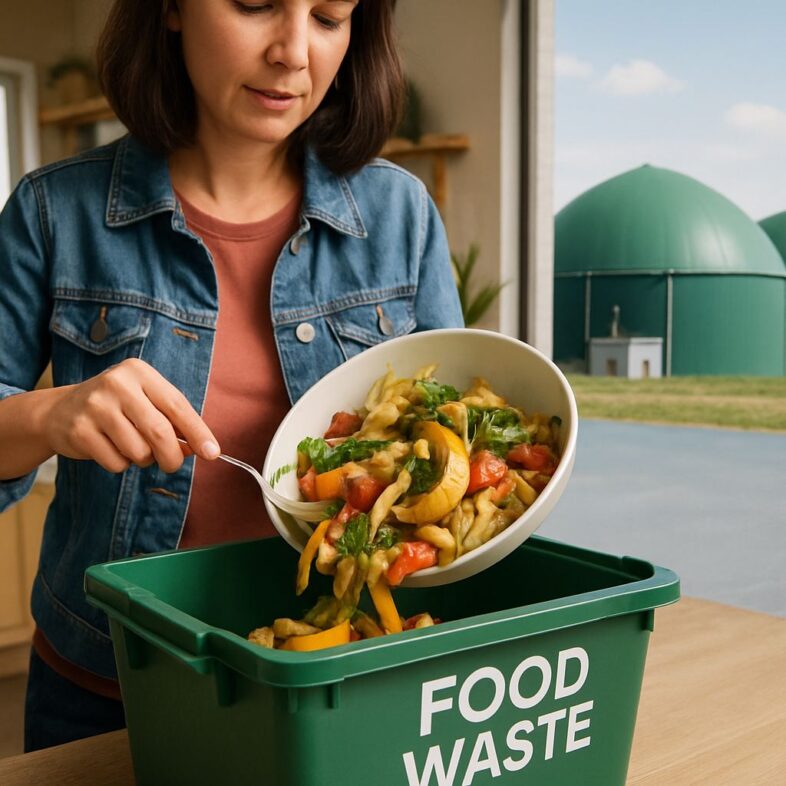
Main Points
- Mixing food waste with cattle manure can boost biogas production by up to 67% compared to using only one material
- Keeping solid concentrations above 15% and pH levels between 6.5-7.5 can greatly improve the efficiency of biogas production
- Pre-treatment methods such as reducing the size of the waste mechanically and heat treatment can break down complex organic materials, speeding up the digestion process
- The correct carbon-to-nitrogen ratio (25:1 to 30:1) is vital for the highest production of methane in anaerobic digesters
- Biogas from food waste could potentially meet up to 57% of the energy needs of cities when properly used in circular economy systems
Turning food waste into renewable energy through biogas production is not just environmentally friendly—it is becoming more and more economically necessary. The growing amount of food waste is both a problem and an opportunity, especially as traditional waste management systems struggle to keep up with our growing population. BioCycle Solutions has developed innovative methods that turn this problem into a sustainable energy source, helping communities and businesses reduce their carbon footprint while producing valuable energy.
We urgently need sustainable waste management solutions, and we’re also looking for renewable energy alternatives. Food waste, which is both widely available and high in organic content, is the perfect feedstock for producing biogas. If we can harness these discarded materials through anaerobic digestion, they become valuable resources as we transition to a circular economy.
From Food Waste to Energy: The Role of Biogas in Your Sustainability Plans
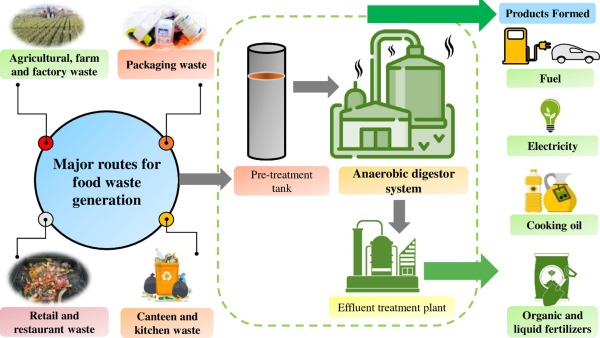
“Converting Food Waste to Energy …” from shapiroe.com and used with no modifications.
Food waste makes up a large part of the municipal solid waste globally, and when not handled correctly, it can lead to environmental problems. Rather than allowing these materials to break down in landfills and emit methane directly into the air, anaerobic digestion traps this powerful greenhouse gas in the form of biogas. This process not only lessens the environmental impact but also produces a flexible energy source that can take the place of fossil fuels for heating, generating electricity, and even fueling vehicles.
The Ideal Use of Food Waste for Biogas Production
Food waste, due to its composition, is incredibly well-suited for anaerobic digestion. It’s rich in carbohydrates, proteins, and lipids that break down easily, making food waste a more promising source of biogas than many other organic materials. Studies have found that food waste can produce anywhere from 300-600 liters of biogas per kilogram of volatile solids, with a methane content that usually falls between 50-70%. It’s this high energy potential that has led to increased interest in food waste digestion in both the research community and practical applications.
The key to the value of food waste is its ubiquity and consistent production. In contrast to the seasonal nature of agricultural waste, food waste is produced consistently and predictably throughout the year, particularly in urban areas. This makes it a perfect primary feedstock for ongoing biogas operations. In addition, using food waste for biogas instead of sending it to landfills addresses several environmental issues at once, such as reducing methane emissions, reducing leachate production, and extending the lifespan of landfills.
How Turning Food Waste into Energy Benefits the Environment
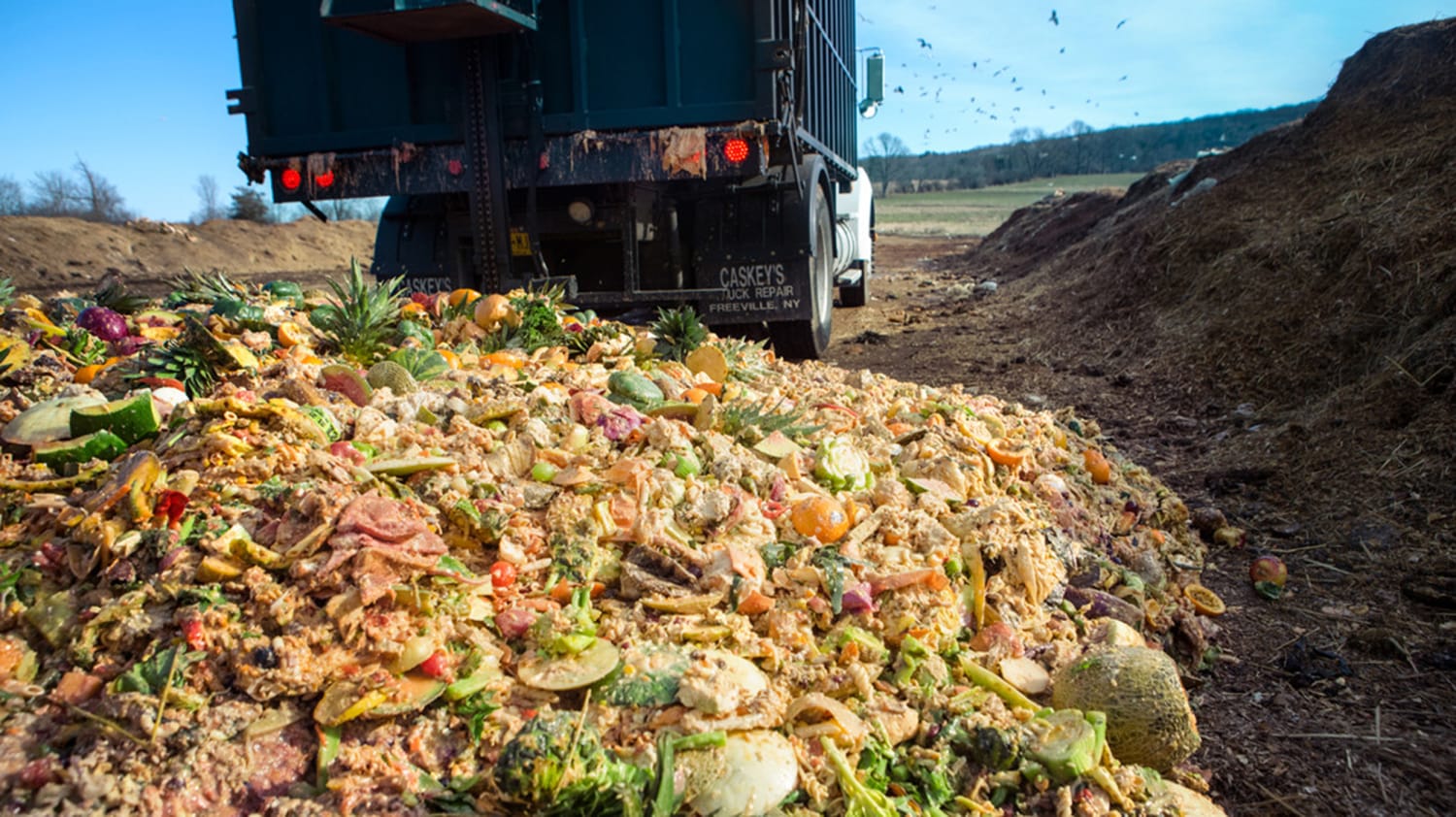
“food waste into green energy” from www.nbcnews.com and used with no modifications.
Studies have consistently shown that using anaerobic digestion to convert food waste into energy is far more environmentally friendly than traditional waste disposal methods. When food waste decomposes in landfills, it releases methane, a greenhouse gas that is about 28 times more potent than carbon dioxide over a 100-year period. By capturing this methane through controlled anaerobic digestion and using it as a renewable energy source, we not only prevent methane emissions, but also reduce our reliance on fossil fuels. This is a win-win for the environment.
Biogas systems do more than just reduce greenhouse gases. They also produce valuable by-products. The digestate left over after producing biogas makes a great organic fertilizer. It’s full of nutrients that improve the health of the soil and lessen the need for synthetic fertilizers. This recycling of nutrients completes the circle of the circular economy. It returns valuable elements like nitrogen, phosphorus, and potassium to the soil used for farming. In Sub-Saharan Africa alone, food waste-to-biogas systems that are properly put into practice could potentially meet up to 57% of the energy needs of cities and 43% of the energy needs of rural areas. At the same time, they could address the challenges of managing waste.
Understanding Anaerobic Digestion
Anaerobic digestion is a natural process that takes place in environments where there is no oxygen. This process occurs within sealed digesters and involves a variety of microorganisms that break down organic material in a series of steps, resulting in a biogas that is rich in methane. Understanding these processes can help improve the operation of the digester and increase the amount of biogas that can be produced from food waste.
The Four Major Steps of Biogas Creation
There are four key biological steps in the anaerobic digestion process, each one managed by a different type of microorganism. The first step is hydrolysis, where complex organic compounds like carbohydrates, proteins, and fats are broken down into simpler molecules such as sugars, amino acids, and fatty acids. This initial step is critical because it determines the speed of the entire process. Food waste is typically a good candidate for this step because it contains a high percentage of materials that are easily hydrolyzable.
The second step, acidogenesis, turns these simple compounds into volatile fatty acids, alcohols, hydrogen, and carbon dioxide. The third stage, acetogenesis, changes these intermediate products into acetic acid, hydrogen, and carbon dioxide—direct precursors for methane production. Lastly, methanogenesis takes place when specialized archaebacteria change these substances into methane and carbon dioxide, the main components of biogas. The delicate balance between these stages determines both the amount and quality of biogas produced. Understanding these processes is crucial, especially when considering alternatives like biodiesel vs. fossil fuel in energy production.
The Microbes That Enable Biogas Production
Many different types of microorganisms work in harmony to make anaerobic digestion possible. Hydrolytic bacteria are the first to act, releasing enzymes that break down complex molecules. Then, acidogenic bacteria take over, transforming the simple compounds that result into volatile fatty acids and alcohols. Acetogenic bacteria then convert these intermediate products into acetate, hydrogen, and carbon dioxide, which methanogens use to produce methane.
Methanogens are a type of Archaea that are highly susceptible to changes in their environment. They are responsible for the vital final step in the process, where they convert acetate or hydrogen and carbon dioxide into methane. There are two main groups of methanogens: acetoclastic methanogens, who convert acetate, and hydrogenotrophic methanogens, who combine hydrogen with carbon dioxide. These two groups work together to produce as much methane as possible. The performance and resilience of the digester are directly affected by the diversity and stability of this microbial community.
Temperature and pH Conditions for Best Results
The effectiveness of anaerobic digestion is heavily influenced by temperature. Digesters operate in one of three temperature ranges: psychrophilic (below 25°C), mesophilic (35-42°C), or thermophilic (45-60°C). For most food waste applications, mesophilic systems provide the best combination of operational stability and gas production. Thermophilic systems process waste more quickly, but require more careful control. Studies show that maintaining a stable temperature is even more critical than the specific operating range selected. Changes in temperature can upset microbial communities and reduce biogas production.
Another crucial aspect for maximizing biogas production is maintaining the pH balance. The best pH range for anaerobic digestion is between 6.5 and 7.5, as this allows both acid-forming and methane-producing microorganisms to work effectively. Digesting food waste often encounters issues with pH stability due to the rapid acidification that occurs during the initial breakdown stages. Research has found that the pH levels in food waste digesters can decrease from neutral to as low as 4.2 during active fermentation, which hampers methanogen activity. By monitoring and adjusting the pH through the addition of a buffer or co-digestion with alkaline materials like cattle manure, the optimal conditions for methane production can be maintained.
The Top 5 Food Waste Types for Biogas Production
Food waste is not created equal when it comes to anaerobic digestion. Knowing which types produce the most biogas can help you choose and mix your feedstock more efficiently. The potential for biogas production largely depends on what the waste is made of, especially its carbohydrate, protein, and lipid content. Fats are the best for producing methane, followed by proteins and carbohydrates.
1. Scraps from Fruits and Vegetables
Scraps from fruits and vegetables are excellent for biodegradability and quick conversion rates in anaerobic digesters. These scraps have a lot of simple sugars, cellulose, and hemicellulose that microorganisms can easily access and convert into biogas. For example, banana peels have shown to yield high levels of methane in research studies due to their high carbohydrate content and the right moisture levels. However, these scraps often have high moisture content and relatively low protein and fat percentages, which can limit the maximum methane potential compared to other food wastes. For more insights on energy integration, you might find solar energy integration with anaerobic digestion interesting.
Fruit and vegetable waste are beneficial due to their easy access and simple digestion. These materials decompose rapidly without the need for extensive pre-treatment, making them ideal initial feedstocks for new digesters. To maximize their worth, fruit and vegetable waste should be combined with higher-energy feedstocks to create balanced digestion systems with increased methane yields. Studies show that digesters operating with solid concentrations above 15% perform best with these materials.
2. Baked Goods and Starchy Foods
Waste from bakeries, including bread, pastries, and pasta, contains a high concentration of easily digestible carbohydrates that quickly convert into biogas. These materials have a high energy density, with biogas yields reaching 400-500 liters per kilogram of volatile solids. The high starch content in these foods provides an easily accessible energy source for fermentative microorganisms, which leads to rapid gas production early on in the digestion process.
One of the problems with bakery waste is that it tends to become acidic very quickly during digestion. Starches are rapidly broken down into simple sugars and then into volatile fatty acids, causing pH levels to drop sharply and inhibit methanogenic activity. To successfully digest bakery waste, careful monitoring is required, as well as pH adjustment or co-digestion with buffering materials. When properly managed, these high-carbohydrate wastes can make a significant contribution to overall biogas production and help balance other waste streams.
3. Out-of-Date Dairy Products
Dairy waste, which includes out-of-date milk, cheese processing leftovers, and yogurt, has a fantastic potential for biogas production because of its well-balanced nutrient profile. These substances have an ideal blend of fats, proteins, and carbohydrates, which result in high methane yields, often surpassing 500 liters of biogas per kilogram of volatile solids. Dairy waste’s high fat and protein content produces significantly more methane than just materials rich in carbohydrates.
Dairy waste is a potent source of energy, but it must be handled carefully in anaerobic digesters. The fats in dairy waste can create a floating layer that prevents gas from escaping if the waste isn’t mixed thoroughly. Proteins in dairy waste decompose into ammonia, which can slow down the microbes that break down waste if there’s too much ammonia. To successfully convert dairy waste into energy, it must be introduced gradually so the microbes can adjust, and it must be mixed thoroughly to prevent layers from forming. Mixing dairy waste with materials that are high in carbon can offset the high nitrogen content of dairy waste, creating the ideal balance of carbon and nitrogen for producing the most methane.
4. Leftovers from Restaurants
Restaurant waste is one of the most varied and energy-rich food waste streams for biogas production. This mix typically includes cooked foods, meat scraps, oils, vegetables, and starchy components, all of which offer great biogas yields. The varied composition ensures a balanced nutrient profile that supports diverse microbial communities in digesters, enhancing process stability and resilience.
Restaurant waste often has a diverse composition, which means there’s usually no need for additional co-substrates because it naturally contains complementary components. Studies have shown that restaurant waste can produce 400-600 liters of biogas per kilogram of volatile solids, with methane concentrations often exceeding 65%. Pre-treatment methods such as grinding or pulping can improve digestion efficiency by increasing the surface area for microbes to access. However, one thing to keep in mind with restaurant waste is that it can vary in salt content, which may build up in digesters over time and potentially inhibit microbial activity if not kept in check. For more insights, you can explore this study on biogas production.
5. Agricultural Processing Waste
Consistent and homogeneous feedstocks for biogas production are provided by food processing wastes from agricultural operations. These include vegetable processing residues, fruit pulp, grain processing byproducts, and oilseed press cakes. These materials often contain concentrated nutrients and have typically undergone some processing that begins breaking down complex structures, making them more readily digestible than raw agricultural residues. Research studies have shown that processing wastes like brewery spent grains and fruit pomace have particularly high methane yields.
There are numerous benefits to agricultural processing wastes, including their reliability and consistency. These streams typically have predictable compositions and generation patterns, which makes it easier to operate and optimize the digester. Many agricultural processing facilities also benefit from on-site biogas production, creating a closed-loop energy system where waste becomes a valuable input for powering processing operations. Studies have shown that combining these materials with manure in co-digestion systems can increase overall biogas yields by 30-50% compared to mono-digestion approaches.
Methods to Increase Biogas Production
Pre-treatment methods can significantly increase the digestibility of food waste, speeding up biogas production and increasing the total amount of methane produced. These methods break down complex structures that resist microbial degradation, making organic matter more accessible to the microorganisms in the digester. Effective pre-treatment can reduce the time it takes to digest the waste by 30-50% and increase the total amount of biogas produced by 20-40%, dramatically improving the economics of the digester.
Methods of Mechanical Size Reduction
Mechanical pre-treatment methods are centred around decreasing particle size and expanding the surface area available for microbial activity. However, if all the plastic is not removed first, the action of size reduction will create a burden of microplastic and nanoplastic creation. This is unacceptable for the environment, and indeed for human health, when ingestion of tiny plastic particles is a known concern for us all.
Usual methods encompass grinding, shredding, and pulping, which break down hard food materials into smaller particles. Studies show that reducing food waste particle size to less than 5mm can boost methane yields by as much as 25% compared to untreated waste, while also speeding up the digestion process.
More than just reducing the size, advanced mechanical methods like extrusion are used to apply both crushing force and heat through friction. This disrupts cellular structures and releases nutrients that are trapped. High-pressure homogenization is another effective method that forces food waste through small openings under pressure. This creates shear forces that break cell walls.
These processes are particularly useful for fibrous vegetable waste and shells or peels that are otherwise resistant to breaking down. The best mechanical pre-treatment method balances the energy input with the improved biogas output. The optimal method depends on the specific composition of the food waste streams.
The Hidden Cost of Traditional Size Reduction in Organic Waste Processing
When organic waste arrives at biogas facilities wrapped in plastic packaging, conventional shredders and mills offer a tempting solution. These machines quickly break down material into smaller particles that digest faster and produce more biogas. However, this approach creates a severe environmental problem: the same equipment that pulverizes organic matter also fragments plastic packaging into millions of microplastic and nanoplastic particles that become impossible to separate from the processed waste.
From Waste Stream to Bloodstream
These microscopic plastic fragments follow a direct path into our environment and bodies. When biogas digestate containing microplastics is applied to farmland as fertilizer, the particles spread across agricultural soils where they persist for centuries. Crops absorb these plastics through their roots, transferring them into the food chain. The result is now measurable: researchers have detected microplastics in human blood, lung tissue, and even placental tissue. Nanoplastics, small enough to cross cellular membranes, can penetrate deep into organs, raising serious concerns about inflammation, endocrine disruption, and long-term health effects.
A Better Alternative Exists
Advanced depackaging systems like the Drycake Twister and a few other specialized technologies take a fundamentally different approach. Instead of shredding everything indiscriminately, these low-impact systems use mechanical pressure and controlled separation to extract organic content while keeping plastic packaging largely intact. The separated plastic emerges in recoverable form, while the organic fraction remains virtually free of microplastic contamination—suitable for producing both clean biogas and safe digestate that won’t contaminate soils and food chains.
The choice between aggressive size reduction and proper depackaging is ultimately a choice between short-term operational convenience and long-term environmental and human health. As our understanding of microplastic impacts deepens, investing in equipment that prevents contamination rather than multiplies it becomes not just preferable but essential.
Using Heat to Simplify Complicated Substances
Thermal pre-treatment is a process where heat is applied to food waste, usually at temperatures ranging from 70-200°C, to break down complicated organic structures and release trapped nutrients. The heat breaks hydrogen bonds and hydrolyzes complex polymers like cellulose and proteins into simpler, more digestible compounds. Research has shown that thermal treatment at 160-180°C for 30-60 minutes can increase biogas production from stubborn food wastes by up to 40%, though results can vary greatly depending on the composition of the waste.
Steam explosion is a highly efficient thermal method in which food waste is subjected to high-pressure steam for a short period of time and then rapidly decompressed. This results in an explosive decompression of the biomass, which effectively breaks down cell structures and significantly increases digestibility. However, thermal methods require meticulous energy balance calculations because the energy used for heating must be offset by an increase in biogas output. The overall efficiency of thermal pre-treatment methods can be improved by incorporating heat recovery systems and using waste heat from biogas engines.
Enzyme-Based Pre-Treatment for Hard-to-Break-Down Organic Matter
Enzyme-based pre-treatment uses specific enzymes, which are biological catalysts, to target and break down complex components of food waste. Commercial enzyme mixtures that contain cellulases, proteases, lipases, and amylases work on cellulose, proteins, fats, and starches respectively, turning these materials into simpler compounds before digestion. This biological method is highly specific and works under mild conditions (usually 40-60°C and pH 4.5-6.5), which avoids the energy needs of thermal methods.
Studies indicate that the use of enzymatic pre-treatment can boost methane production from food waste by 15-30%, while also decreasing the amount of time needed for digestion. This method is especially useful for waste streams that include resistant elements such as vegetable peels, bones, or shells. Although the cost of enzymes has previously hindered their widespread use, advancements in industrial enzyme production and the creation of on-site enzyme production using the digester’s own microorganisms are making enzymatic pre-treatment more and more financially viable for commercial biogas operations.
Co-Digestion: Combining Food Waste With Different Feedstocks
Co-digestion, which involves the digestion of food waste along with other organic materials, is one of the most efficient methods for boosting biogas production. This technique takes advantage of the unique features of various feedstocks to enhance digester performance and stability. Studies have consistently shown that co-digestion systems that are well-planned are more effective than single-substrate methods, with appropriately balanced combinations increasing biogas production by 25-400% compared to mono-digestion.
The Benefits of Mixing Animal Waste to Increase Gas Production
Adding animal waste to food waste provides several advantages. To begin with, it brings a variety of microbial communities that are already adapted to anaerobic digestion, effectively serving as a natural starter that speeds up the beginning phase and improves process stability. In addition, the high buffering capacity of manure helps to neutralize the rapid acidification often seen with food waste digestion. Experiments have shown that mixing cattle dung with food waste can increase the total biogas output by up to 67%, with results showing yields of 1732 ml from mixed digestion compared to 1035 ml from food waste only digestion.
Manure also has some biological advantages in that it supplies trace elements that are essential for methanogenic activity. These trace elements include iron, nickel, cobalt, and selenium. These micronutrients often lack in food waste alone and serve as cofactors for key enzymes in the methane production pathway. The physical properties of manure also improve digester function by preventing stratification, reducing scum formation, and maintaining appropriate moisture levels. While various manures (cattle, swine, poultry) can be used effectively, cattle manure typically offers the best balance of buffering capacity and stable performance when combined with food waste.
Getting the Most Out of Your Methane: Carbon-to-Nitrogen Ratios
One of the most important factors in anaerobic digestion is the carbon-to-nitrogen (C:N) ratio. When the C:N ratio is between 25:1 and 30:1, you’ll typically get the best methane production. This ratio ensures that there’s enough carbon for energy and nitrogen for microbial growth. Food waste usually has a C:N ratio between 14:1 and 24:1, while other materials like yard waste and paper can have a C:N ratio over 100:1. This means that you can mix different materials together to get the best C:N ratio for methane production.
When the C:N balance is not right, it can lead to inefficiencies in the process. If the ratio is too low (rich in nitrogen), it can lead to a build-up of ammonia, which can inhibit methanogenic activity. If the ratio is too high (rich in carbon), it can lead to rapid acidification and not enough nitrogen for the synthesis of microbial protein. Strategic co-digestion gives operators the ability to combine materials that are rich in nitrogen, such as food waste and slaughterhouse residues, with substrates that are rich in carbon, such as yard trimmings, paper waste, or crop residues. This balancing act not only improves the production of biogas but also enhances the stability of the process, reducing the risk of digester failure during changes in feeding or operational fluctuations. For more insights on integrating renewable energy sources, consider incorporating solar energy with anaerobic digestion.
Getting the Right Mix of Waste
There’s more to finding the perfect mix than just getting the carbon-to-nitrogen ratio right. You also need to consider moisture content, how much of the waste is volatile solids, how easily the waste breaks down, and whether the waste contains compounds that could inhibit the process. Research shows that food waste works best as a co-substrate when it makes up 40-70% of what goes into the digester, but the exact percentage depends on what other feedstocks you’re using. Studies that looked at co-digesting food waste and sewage sludge found that the most methane was produced when the mix was 60% food waste and 40% sludge. When food waste was co-digested with manure, the best results were often achieved with a mix that was 50-60% food waste.
Using progressive loading strategies can improve co-digestion success even more. Instead of immediately implementing the theoretical optimal ratios, slowly increasing the proportion of food waste lets the microbial communities adjust to the changing substrate characteristics. Monitoring biogas production provides feedback for refining the ratio. If the gas output declines or the pH changes, this signals that the ratio needs to be adjusted. More advanced biogas operations are starting to use automated feeding systems. These can adjust the percentage of the mixture in real time based on process indicators. This maximises methane yields while keeping digestion stable.
Keeping a Close Eye on Your Digester
For anaerobic digestion to work well, you need to keep a close eye on things and jump on any problems before they get out of hand. By regularly checking key indicators, you can catch potential issues before they seriously affect your biogas production. A systematic routine of monitoring things like the amount of biogas, the methane content, pH, alkalinity, and volatile fatty acids will give you a solid basis for running your digester efficiently and dealing with problems quickly when they come up.
Easy Ways to Monitor the Health of a Digester
There are a few straightforward tests that can give you a good idea of how well your digester is working, and you don’t need any fancy lab equipment to do them. Measuring the volume of biogas every day with a simple displacement or flow meter is the best way to check performance. If the volume suddenly drops, there may be a problem. You can also get a rough idea of the quality of the gas by doing a flame test. A strong blue flame means the gas is high in methane, while a weak or yellow flame could mean the gas is diluted with carbon dioxide or contains hydrogen sulfide. For more detailed insights, you can refer to this research abstract on biogas production.
Testing the pH level is a crucial step in determining the stability of the digester, as the ideal operation occurs between 6.5-7.5. A decrease in pH often acts as an early sign of an imbalance in the process, usually before a decrease in gas production. For a more in-depth analysis, alkalinity tests are used to measure the buffering capacity of the system, while the accumulation of volatile fatty acid (VFA) indicates that the conversion to methane is incomplete. The VFA/alkalinity ratio is particularly useful, with values below 0.3 indicating stable digestion and ratios above 0.5 indicating potential problems. Monitoring the temperature completes the basic test suite, ensuring the conditions remain within the optimal range for the digester’s microbial communities.
How to Solve Frequent Issues
Knowing the root causes of frequent digester issues and using the right solutions is key to addressing them. Acidification, which is signalled by a drop in pH and a decrease in biogas output, usually happens when the feeding rates go beyond the capacity of microbial processing. The solution to this is to reduce or stop feeding temporarily while adding buffering agents like sodium bicarbonate or lime to bring back the pH balance. For acidification that is severe, diluting the contents of the digester with water or stable digestate from another system can speed up recovery.
Another common problem is foam formation, which often indicates overfeeding, rapid degradation, or inadequate mixing. Foam control requires reducing load rates, improving mixing, and in some cases, adding anti-foaming agents. Changes in temperature disrupt microbial communities and require better insulation or maintenance of the heating system. When ammonia inhibition occurs, usually in systems that process protein-rich waste, relief is provided by dilution with water or co-digestion with carbon-rich materials. For all interventions, gradual and measured approaches are needed to prevent shock to the microbial community while addressing the underlying imbalance.
Best Time to Introduce New Feedstock and Extract Digestate
Proper scheduling of feedstock addition and digestate extraction plays a crucial role in the performance and stability of a digester. Most commercial food waste digesters operate semi-continuously, introducing feedstock once or several times a day based on the data collected. The main indicator of when to introduce new feedstock is a stable or rising biogas production after the previous feedstock addition. Regular, smaller feedstock additions tend to maintain more stable conditions than larger, less frequent additions, especially for easily degradable food waste.
For digesters to function properly, the volume must remain consistent. This is often achieved by removing digestate at the same time as feeding. This material can then be used as a valuable biofertilizer, completing the nutrient recycling loop. The hydraulic retention time (HRT), or the average time the material remains in the digester, should be matched to the characteristics of the waste. For food waste, this typically requires 15-30 days, depending on the temperature and pre-treatment. Systems that incorporate solids recycling, where a portion of the removed solids is returned to the digester, can enhance microbial retention and improve the processing of difficult materials. Ultimately, successful feeding and removal strategies balance maximum organic loading against stable digester function, adjusting based on continuous performance monitoring.
Common Queries
With the increasing curiosity in food waste biogas systems, a number of inquiries have been raised by potential users and system operators. These common queries tackle usual worries about biogas production, operational considerations, and regulatory requirements that come up when putting into operation anaerobic digestion projects.
How much biogas can be produced from 1 ton of food waste?
The amount of biogas generated from food waste can vary, depending on its composition, the pre-treatment methods used, and the operation of the digester. However, it typically falls between 100-200 cubic meters per ton of wet food waste. This equates to around 60-120 cubic meters of methane, or 600-1,200 kWh of energy potential. Wastes that are rich in lipids and digestion systems that are optimized can result in higher yields. On the other hand, materials that are fibrous or poorly sorted will produce lower volumes. A ton of mixed food waste, which is typical, has the potential to generate enough electricity to power an average household for 1-2 months. This demonstrates the significant potential for energy recovery from this plentiful waste stream.
How does biogas differ from natural gas?
Biogas and natural gas are primarily distinguished by their composition and origin. Biogas in its raw form typically contains between 50-70% methane, 30-50% carbon dioxide, and trace amounts of hydrogen sulfide, ammonia, and water vapor. Natural gas, on the other hand, is made up of 70-90% methane with smaller quantities of other hydrocarbons and minimal carbon dioxide. Biogas is a renewable resource that is produced from current organic matter, making it carbon-neutral within the biogenic carbon cycle. Natural gas, on the other hand, is extracted from fossil deposits and releases carbon that has been sequestered for millions of years, contributing to an increase in atmospheric carbon. Biogas can be refined to biomethane, which has the same composition as natural gas, through purification processes (upgrading). This allows it to be directly substituted in existing natural gas infrastructure and applications.
Is it possible to use meat and dairy waste in my biogas digester?
Meat and dairy wastes are fantastic biogas feedstocks with a high energy potential because of their protein and fat content. These substances can produce 50-100% more biogas per unit mass than vegetable waste alone. However, these substrates need special care, including compliance with animal by-product handling regulations in many places. Depending on the location and scale, meat waste may need to be pasteurized (usually 70°C for one hour) before or after digestion to kill pathogens. Protein-rich wastes also produce more ammonia during digestion, necessitating careful loading rates and potential co-digestion with carbon-rich materials to avoid inhibition. With proper management, meat and dairy wastes can significantly boost biogas yields while diverting these problematic materials from landfills.
What’s the safest way to store biogas at home?
Storing biogas on a small scale at home requires a lot of attention to safety. The easiest way to store it is with a floating drum or flexible membrane system that grows as the gas builds up, keeping the pressure low (usually below 0.05 bar). These systems should have basic safety features like water traps to stop backflow, pressure relief valves to stop over-pressurization, and flame arrestors to stop flames from spreading. The containers used to store the gas need to be gas-tight, resistant to UV if they’re exposed to sunlight, and kept in a well-ventilated place away from anything that could ignite them.
For biogas systems in the home, it is safer to limit storage to the amount produced daily rather than storing it for a long time. Storing biogas under high pressure needs special equipment and is not usually suitable for home use. It is crucial to regularly check all connections, valves, and storage parts. Methane detectors should be installed in any enclosed spaces where the gas equipment is used. When they are properly designed and looked after, small biogas storage systems can operate safely and provide a useful source of renewable energy for cooking, heating, and other uses.
What permissions do I need for a small biogas system?
The permissions needed for biogas systems can differ greatly depending on location, system size, and the types of feedstock. Small residential systems that only process household food waste might not need much permission in some areas, while others require building permissions, environmental assessments, or specialized biogas handling certifications. Systems that process waste from many sources usually face stricter regulation, which might include solid waste handling permissions, air quality permissions for combustion equipment, and water discharge permissions for liquid effluents.
Extra rules are often applied when processing animal by-products or commercial food waste, which usually includes pathogen reduction validation and monitoring. If the electricity generation is connected to the grid, utility interconnection permits become necessary, while gas injection requires compliance with local gas quality standards. The best guidance on specific regional requirements can be obtained by consulting with local planning departments, environmental agencies, and agriculture departments. Many regions now offer a more straightforward permitting process for small-scale biogas systems as part of renewable energy initiatives, making the regulatory process simpler for household and farm-scale installations.
As we move towards a circular economy, food waste biogas systems are becoming an increasingly attractive solution for both waste management and renewable energy. As technology advances, smaller and more efficient systems are becoming available to a wider range of users, from households to businesses and municipalities. The integration of smart monitoring systems, automated feeding technologies, and improved methane enhancement techniques will further enhance the performance of these systems.
By harnessing the power of genetic engineering for digester microbes, nanobubble mixing methods, and comprehensive biorefinery approaches, we can expect to see even greater biogas yields from food waste in the future. The biogas sector is dedicated to constant progress and optimization, placing waste-to-energy systems at the heart of our sustainable future. As we grapple with the twin issues of waste disposal and transitioning to clean energy, the time to put these solutions into action is now.

How to Reduce Food Waste Globally
Reducing global food waste involves prevention, redistribution, and recycling. Strategies include meal planning, better harvesting, and donating leftovers. Governments must support policies and raise awareness. With one-third of food wasted annually, the economic loss hits $940 billion. Simple household actions can make a significant impact on this challenge…

Incorporating Solar Energy Integration with Anaerobic Digestion
Integrating solar energy with anaerobic digestion enhances biogas production by using solar thermal collectors and photovoltaic panels. This synergy not only decreases biogas dependency by 65% but also produces energy consistently, proving especially advantageous in remote locations with competitive energy costs of $0.045/kWh…

10 Ways to Reduce Waste at Home
Reducing household waste can cut your carbon footprint by up to 42%. Start with simple changes: meal planning, reusable alternatives, effective recycling, and composting. Small, consistent adjustments save money and reduce landfill contributions. Embrace sustainable habits for a healthier home environment…

Is Biodiesel a Fossil Fuel? Biodiesel vs Fossil Fuel Comparison
Biodiesel, unlike fossil fuels, is made from renewable resources like plant oils, not ancient organic matter. It offers a cleaner alternative, reducing greenhouse gas emissions significantly. While competing with food production, it poses fewer environmental challenges than fossil fuels, which dominate due to infrastructure and cost advantages…